IBM i AI Contest Opens Doors for Pennsylvania College of Technology Students
The new IBM i technologists spent two months developing agentic AI integrations before mingling with seasoned pros on the conference circuit
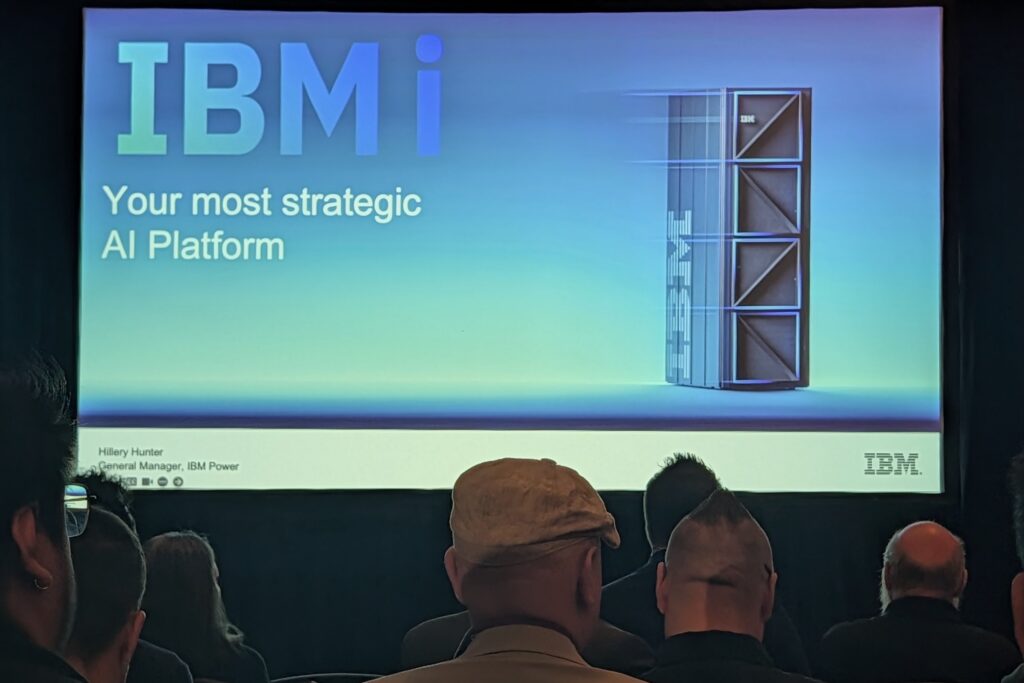
Innovation, collaboration and real-world problem solving took center stage at the Power Skills Academy iMPACT Challenge 2026, where three student teams from Pennsylvania College of Technology developed AI-powered business solutions on IBM i.
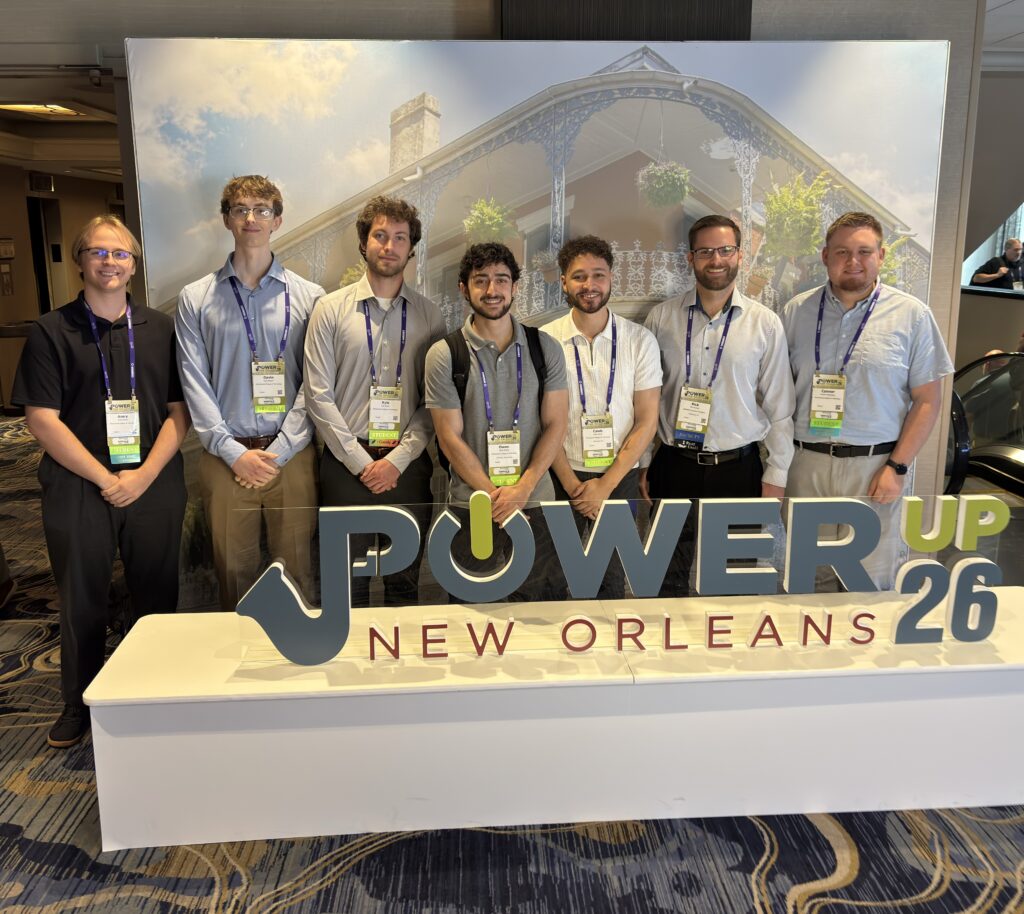
That journey concluded this spring as six budding IBM i technologists—three teams of two—found themselves immersed in the IBM Power community. As part of the contest activities, they attended COMMON’s POWERUp conference in addition LISUG Horizons, the Long Island Systems User Group’s premiere event of the year.
Learn about more efforts to train the next generation of IBM i technologists in the IBM Systems Education and Training Showcase.
While the students already had strong technical abilities, this was their greatest chance yet to rub elbows with seasoned pros. “Being able to have personal, technical or even philosophical conversations with heads of security, systems architectures and software engineers alike has truly been an eye-opening experience for what a tech community can and should look like,” says Rick Crossen, the Pennsylvania College of Technology IT instructor who guided the students through their IBM i experience.
Those encounters came after the students spent two months developing agentic AI integrations designed to address real industry challenges. Throughout the process, IBM Power Skills Academy provided virtual machines for building and testing their solutions, as well as access to trial versions of the IBM watsonx AI platform to support development and experimentation.
‘Sales Insider’ Takes Top Honor
In the end, Gavin Bowers and Kyle Shuler emerged victorious with their project, “Sales Insider,” which aimed to identify meaningful trends within a sales database and present those insights through dynamically generated visualizations. Users can interact with the system using natural-language prompts, customizing in real time both the data being analyzed and the graphs displayed.
In a video overview of the contest, Shuler explains how they made that happen. “We had a Linux middleware that was the bridge between [watsonx] AI and the database that was stored on the IBM i system,” he says. “Some of the tools we used—we had Python, Flask, as well as NumPy, Pandas and Mathpotlib.”
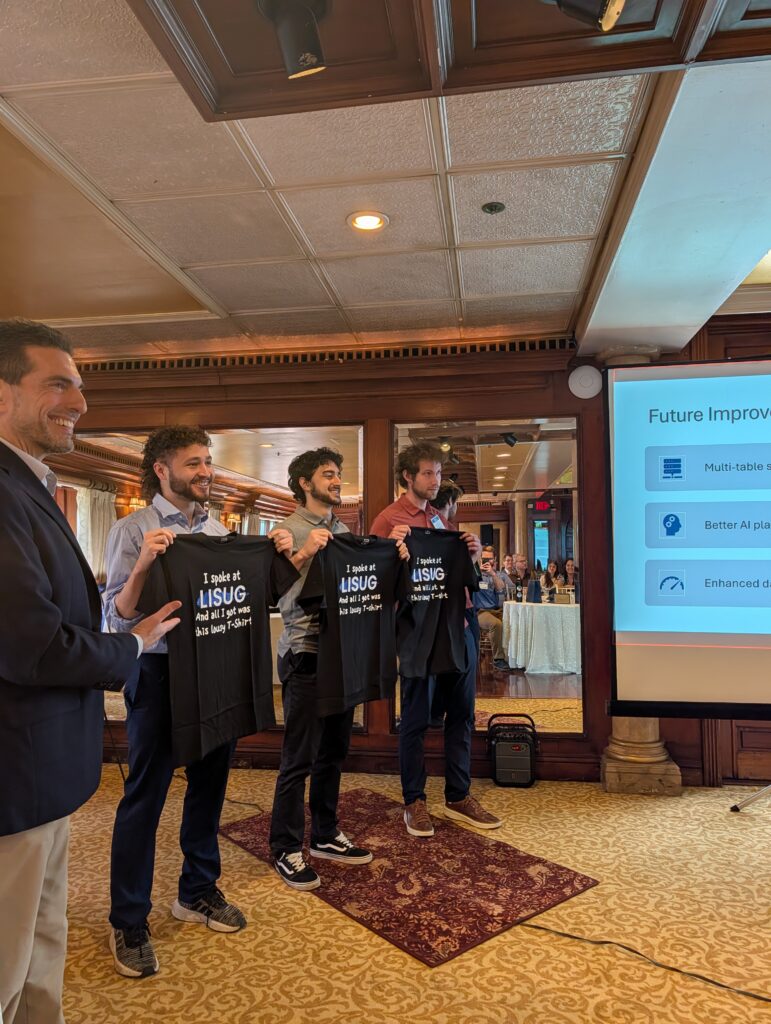
Judges selected Bowers and Shuler’s project based on its creativity, technical execution and practical business value. The winners were recognized during the opening session of COMMON POWERUp Conference in New Orleans and were invited to present “Sales Insider” at LISUG Horizons.
E-Commerce Solutions Round Out the Field
The contest’s other two projects were both frontend e-commerce solutions. One of those, Avery Bowers and Conor Hackenberg’s
“Basket Bloom,” uses AI models to give shoppers personalized, automated purchase suggestions.
“Basket Bloom leverages the power of IBM’s i system architecture along with the highly available Db2 database, seamlessly integrating into any e-commerce site utilizing IBM i-hosted Python APIs,” Hackenberg explains. “With this, customers are informed of their intended purchases and system administrators are ready to easily manage a secure and robust system.”
The other entrant, Caleb Palmer and Owen Sheffer’s “Richard AI,” was named in honor of P.C. Richard & Son, the appliance and electronics retailer that provided the real-world context for the contest. “Richard AI” is a virtual shopping assistant that responds to natural language prompting. It filters products, aids in website navigation, queries Db2 for real-time information like stock status and pricing, adds items to shoppers’ carts and helps them stay within their budget—all through natural-language requests.
“We implemented our Richard AI assistant using an Ubuntu VM on IBM Power and an IBM i system for our DB2 database, which stored all the product information like product descriptions, pricing, inventory data,” Sheffer explained. Ubuntu acted as the frontend, backend and web server, while the team used Flask to parse the input and act as a bridge between Db2 and the watsonx AI models in use, he said.
Addressing the Skills Gap
The iMPACT Challenge also highlighted a broader industry priority: building the future workforce for IBM i. As experienced professionals retire and demand for enterprise technology expertise continues to grow, initiatives such as the Power Skills Academy iMPACT Challenge play a critical role in introducing students to platforms that remain essential to businesses worldwide.
The experience provided the participants far more than recognition. Students gained valuable exposure to enterprise computing environments, mentorship from industry professionals and insight into career opportunities within the IBM i ecosystem.
The impact is especially evident in how student teams viewed IBM i before and after the competition. According to Crossen, students “had very little exposure to the platform and were nervous about diving straight into it. … What started as hesitancy has turned into a desire to experiment and implement infrastructure in a much more effective manner, all based on IBM i services.”
By combining AI innovation with the reliability and business capabilities of IBM i, the challenge demonstrated how modern enterprise technology continues to evolve—and how today’s students are prepared to help lead that evolution. The event fostered not only technical growth, but also confidence, communication skills and professional networking opportunities that can shape future careers.
“Building professional communication and social skills is more valuable than ever,” Crossen says, “and these events offer a gateway for students to build these skills in an environment filled with passionate and highly technical IT workers.”